

Concealed carry in the workplace introduces unique challenges that require careful planning and adherence to applicable laws. Creating a safe environment while respecting employees’ rights is critical for fostering trust and maintaining compliance with regulations. Below, we’ll explore key safety measures, legal considerations, and best practices that employers should adopt when addressing concealed carry in a professional setting.
Understanding Federal and State Laws
One of the first steps in addressing concealed carry at work is understanding federal and state laws governing firearms. While federal law provides a baseline through acts like the Gun-Free School Zones Act (GFSZA), individual states have varying regulations regarding where concealed carry is permitted.
- Employers operating on federally regulated property must comply with firearm restrictions outlined by federal law.
- Some industries (e.g., transportation or healthcare) may have stricter guidelines under federal oversight.
- States like Texas allow licensed individuals to carry firearms into most workplaces unless specifically prohibited.
- Other states, such as California, impose stricter controls, requiring clear signage or explicit policies prohibiting firearms.
| State | Concealed Carry Permitted in Workplaces? | Employer Discretion Allowed? |
| Texas | Yes | Yes |
| California | No | N/A |
| Florida | Yes | Yes |
Employers should consult legal professionals to ensure compliance with both state-specific laws and industry standards.
Implementing Safety Measures
- Design Clear Policies
Develop written policies outlining rules for carrying concealed weapons at work. These policies should: - Specify whether concealed carry is allowed or prohibited.
- Clarify storage requirements for those carrying on premises.
- Address consequences for non-compliance.
- Conduct Risk Assessments
Assess potential risks posed by allowing firearms: - Consider factors like workplace violence history or high-stress environments.
- Evaluate physical security measures (e.g., secure entry points).
- Provide Training Programs
Offer firearm safety training tailored to employees who choose to conceal carry. Topics could include: - Proper handling and storage techniques.
- De-escalation strategies during potentially volatile situations.
- Legal responsibilities of firearm carriers.
- Maintain Secure Storage Options
Employers may install secure storage units onsite for employees who must remove their weapon temporarily due to specific work tasks or restricted areas.
Best Practices for Workplace Communication
- Host informational sessions where employees can ask questions about concealed carry policies without fear of reprisal.
- Provide regular policy updates as laws evolve or organizational needs change.
By integrating these best practices into daily operations, organizations can better navigate the complexities of concealed carry in professional settings while prioritizing overall safety for everyone involved.
Understanding the Boundaries of the Virginia Concealed Carry Permit Regulations
Navigating concealed carry regulations can often be challenging, as they are nuanced and vary significantly depending on jurisdiction, employer policies, and individual circumstances. Understanding these boundaries is crucial for both individuals who carry firearms and organizations aiming to implement compliant policies. This section explores the dynamic nature of concealed carry laws and highlights key considerations for ensuring compliance.
Understanding Federal vs. State Regulations for Concealed Carry Classes in Washington DC
- Federal Restrictions
Federal law prohibits carrying concealed weapons in specific locations, such as federal buildings, courthouses, post offices, and schools designated as “Gun-Free Zones.” - State Variability
Each state has its own requirements for permits, training standards, reciprocity agreements with other states, and location-specific restrictions. For example: - Shall-Issue States: Permits are issued if basic requirements are met.
- May-Issue States: Authorities have discretion over whether to issue a permit.
- Permitless Carry: Some states allow individuals to carry without a permit under constitutional carry provisions.
Employer-Specific Policies
- Clear Policy Communication
Clearly define where firearms are permitted or prohibited within company premises. Use employee handbooks or company-wide training sessions to communicate effectively. - Posting Notices
Many jurisdictions require businesses that prohibit firearms on their property to display visible signage at entrances. - Liability Awareness
Employers should be aware of potential liability concerns if an incident involving a firearm occurs on their premises.
| Employer Policy Aspect | Consideration |
| Clear Communication | Ensure employees understand expectations |
| Appropriate Signage | Post signs compliant with local/state laws |
| Incident Response | Develop procedures for firearm-related events |
Boundaries of Reciprocity Agreements
- Some states honor permits from all other states (e.g., Utah).
- Others recognize only permits from select jurisdictions based on established agreements (e.g., Pennsylvania).
Check local regulations before traveling with a concealed weapon to avoid legal complications.
Special Circumstances Impacting Concealed Carry
- Private Property Restrictions: Property owners can restrict firearms on their premises even if it’s otherwise legal in that area.
- Specific Location Prohibitions: Schools, hospitals, bars serving alcohol heavily restrict carrying by law in many states.
- Legal Disqualifications: A revoked or suspended permit immediately negates the ability to legally conceal-carry.
Understanding these boundaries requires diligence but ensures responsible practice while respecting both legal obligations and individual rights. Always stay updated as laws evolve frequently in this field.
Rules Are Not Hard and Fast: Understanding the Boundaries of Concealed Carry Regulations
Concealed carry regulations are complex and can vary significantly depending on jurisdiction. While there are overarching federal laws in the United States, state and local governments retain a great deal of autonomy in regulating concealed weapons. This makes it crucial for responsible firearm owners to understand the boundaries of these laws to ensure compliance and avoid legal repercussions.
Federal Laws vs. State Legislation
When it comes to concealed carry, federal law establishes certain baseline requirements, such as prohibiting firearms in federal buildings or on certain properties like schools under the Gun-Free School Zones Act. However, most concealed carry rules are dictated by individual states. These laws can affect:
– Permit Requirements: Some states require a permit to carry concealed firearms (e.g., California), while others allow permitless carry under “constitutional carry” provisions (e.g., Texas).
– Training Standards: States with permits often mandate firearm safety training or live-fire exercises as part of the application process. – Reciprocity Agreements: Many states recognize out-of-state permits, but reciprocity is not universal. Travelers must research whether their permit is valid across state lines.
| State | Permit Required? | Training Mandated? | Permit Reciprocity |
| California | Yes | Extensive Training | Limited |
| Texas | No (constitutional) | Optional for permit | Wide Reciprocity Agreements |
| Florida | Yes | Basic Firearm Training | Moderate Reciprocity |
Key Areas Where Rules May Be Unclear
- Private Property Laws:
Private property owners have the right to set their own rules regarding firearms on their premises. For instance, business owners may prohibit employees or visitors from carrying concealed weapons even if state law allows it elsewhere. Look out for posted signs indicating restrictions. - Sensitive Locations:
Certain areas are commonly designated as “gun-free zones,” even with a valid concealed carry permit. These locations often include: - Government buildings
- Hospitals
- Schools and daycare facilities
- Airports beyond TSA security checkpoints
- Use of Force Standards:
Carrying a firearm entails understanding when lethal force is legally justified. Most states adhere to either “stand your ground” or “duty to retreat” principles:- Stand Your Ground: Allows individuals to use deadly force without retreating if they believe their life is in danger.
- Duty to Retreat: Requires individuals to attempt safe withdrawal before using force where possible.
Tips for Navigating Concealed Carry Boundaries
- Stay informed by reviewing your state’s Department of Justice or local government websites for updates on regulations.
- Consult an attorney specializing in firearm law if you have questions about specific scenarios.
- Take ongoing education courses offered by firearm instructors or organizations like the NRA.
- Keep digital copies of permits and reciprocity maps available when traveling.
Understanding concealed carry laws requires diligence and continuous learning. By respecting legal boundaries and staying informed about evolving regulations, you can exercise your rights responsibly while minimizing risks associated with non-compliance.
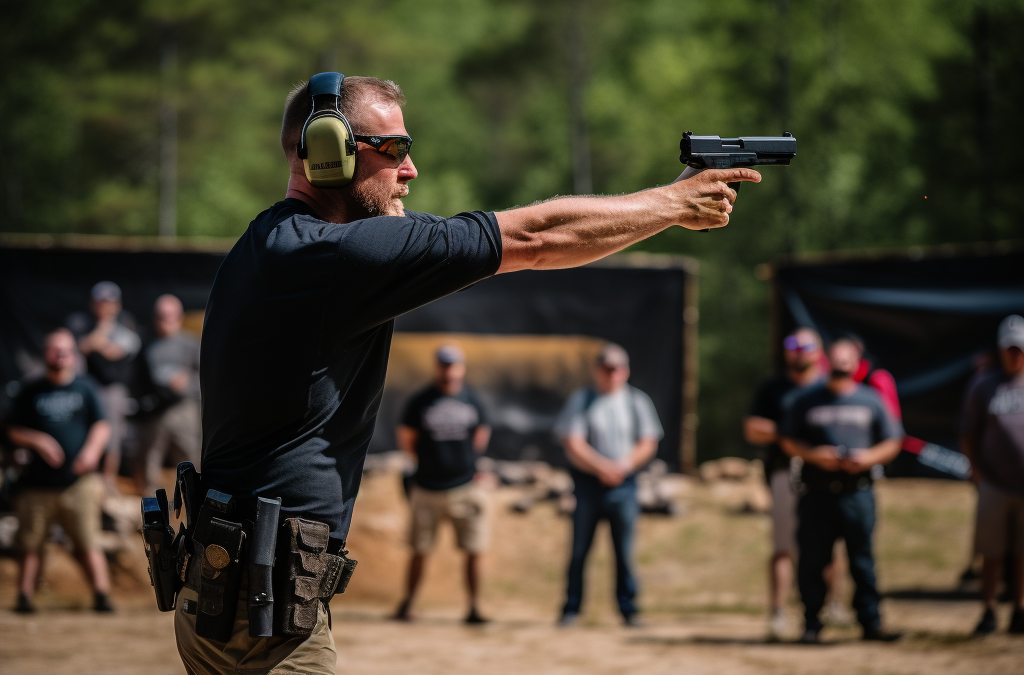
Proper Precautions for Concealed Carry: Ensuring Safety and Responsibility
When it comes to concealed carry, taking proper precautions is essential to ensure safety, compliance with the law, and responsibility for all individuals involved. Whether you are an employer implementing a concealed carry policy or a concealed carry permit holder, adhering to safety measures and responsible practices can help mitigate risks and promote a secure environment.
Key Precautions for Concealed Carry Permit Holders
- Secure Holstering
Always use a high-quality holster designed specifically for your firearm. Ensure the holster provides trigger protection, proper retention, and allows easy draw without compromising safety. - Regular Firearm Training
Stay proficient in using your firearm by participating in routine training sessions. Focus on marksmanship, situational awareness, and decision-making under stress. - Understand Local Laws
Laws governing concealed carry vary by state and jurisdiction. Be familiar with where you are legally allowed or prohibited from carrying a weapon (e.g., schools, government buildings). - Practice Situational Awareness
Being aware of your surroundings is vital when carrying a firearm. Avoid situations that could escalate into conflict while maintaining vigilance in public spaces. - Safe Storage at Home
When not carrying your weapon, store it securely to prevent unauthorized access. Use gun safes or lockboxes that meet recommended safety standards.
Workplace Safeguards: Employer Responsibilities
- Develop Clear Policies
Draft unambiguous guidelines detailing where employees can and cannot carry firearms within workplace premises. - Provide Communication Channels
Offer employees opportunities to seek clarification about the policy or report concerns anonymously if needed. - Conduct Background Checks (if permitted)
Before allowing employees to bring firearms into the workplace, consider conducting thorough background checks to ensure they meet all legal requirements for carrying a weapon. - Plan Crisis Management Procedures
Establish procedures for responding to emergencies involving firearms. This includes active shooter drills or de-escalation training sessions. - Post Visible Signage
Clearly display signs indicating areas where weapons are permitted or prohibited within the facility as per company policies or legal regulations.
Checklist: Questions Every Concealed Carrier Should Ask
| Question | Yes/No |
| Am I legally permitted to carry my weapon here? | |
| Is my firearm securely holstered? | |
| Have I reviewed applicable state/local laws today? | |
| Am I mentally prepared for potential scenarios? | |
| Do I have access to my permit if required by law enforcement? |
Adopting these precautions fosters accountability while helping carriers and organizations alike create safer environments that respect both personal rights and public well-being.
How to Support Lone Workers While Implementing Concealed Carry Policies
Ensuring the safety of lone workers is a critical responsibility for employers, and implementing concealed carry policies can add an additional layer of complexity. While concealed carry policies aim to enhance security, they must also be carefully structured to support lone workers in a way that promotes their safety, complies with regulations, and minimizes risks. Below are strategies and considerations for developing effective policies.
Understanding Lone Workers’ Unique Risks
- Increased Vulnerability: Without nearby colleagues, lone workers may have delayed access to help during emergencies.
- Heightened Threat Levels: Certain roles, such as delivery drivers or field technicians, may expose individuals to theft or assault risks.
- Limited Communication Access: In remote areas or high-risk zones, communication channels may be restricted.
Integrating concealed carry policies into your workplace should address these risks while ensuring compliance with state and local laws.
Best Practices for Supporting Lone Workers With Concealed Carry Policies
- Analyze the specific safety threats faced by lone workers in their day-to-day roles.
- Evaluate whether concealed carry aligns with the nature of their work and reduces exposure to risk.
- Draft a concealed carry policy that outlines who is eligible and under what circumstances carrying firearms is permitted.
- Specify prohibited activities (e.g., carrying firearms in customer-facing situations where it could escalate conflicts).
- Provide professional training on firearm handling, conflict de-escalation techniques, and legal responsibilities.
- Offer scenario-based training tailored to the unique challenges faced by lone workers.
- Equip lone workers with devices like mobile phones or two-way radios for real-time communication in emergencies.
- Use GPS tracking devices where appropriate to monitor worker locations without infringing on privacy rights.
- Acknowledge the psychological weight of carrying a firearm by providing counseling services or access to mental health resources.
- Train supervisors on recognizing signs of stress or burnout among armed employees.
Legal Considerations for Lone Worker Concealed Carry Policies
| Legal Area | Key Considerations |
| State Laws | Ensure employees meet state-specific licensing requirements for carrying a concealed weapon. |
| Workplace Guidelines | Verify that your workplace locations permit concealed weapons under local laws and regulations. |
| Liability Issues | Understand potential liabilities resulting from improper firearm use during work-related incidents. |
Balancing Security With Accountability
Employers hold significant responsibility when integrating firearms into workplace protocols—especially for those working independently. By implementing controlled measures such as background checks, continuous training programs, and robust communication frameworks, you can build a safer environment while empowering lone workers with tools that protect them against potential threats.
Working toward an approach rooted in preparation rather than reaction will ensure both compliance and safety for all parties involved. This level of proactive management also fosters trust between employers and employees when navigating complex concerns surrounding carrying firearms at work responsibly.
Recognizing the Importance of Weapon Safety Signs for Concealed Carry Awareness
Promoting awareness and maintaining safety are critical components of any concealed carry policy. One effective way to ensure compliance and reduce risks is through the strategic use of weapon safety signs. These signs play a vital role in communicating policies, promoting responsible behavior, and creating a safe environment for everyone.
Why Weapon Safety Signs Matter
- Communication of Policies: Clearly displayed signs help communicate whether firearms are permitted or prohibited in specific areas. This supports compliance with local laws and internal policies.
- Risk Mitigation: By informing individuals about rules and precautions, signs can reduce the likelihood of incidents related to improper firearm handling.
- Legal Protection: Proper signage can strengthen an organization’s legal standing by demonstrating efforts to enforce concealed carry regulations.
- Awareness Building: Signs remind both gun owners and non-carrying individuals about their responsibilities regarding safety.
Types of Weapon Safety Signs
| Type | Purpose | Common Locations |
| “No Firearms Allowed” Signs | Indicate areas where concealed carry is prohibited by law or policy | Entrances to schools, hospitals, or private property |
| Instructional Signs | Provide guidance on proper handling or storage while on-site | Security checkpoints, lockers |
| Reminder Signs | Reinforce general firearm safety practices | Employee break rooms, training facilities |
Best Practices for Using Weapon Safety Signs
- Ensure Visibility
Position signs at eye level in well-lit areas where they are easy to read. They should be placed near entry points or locations where decisions about carrying firearms must be made. - Use Clear Language
Avoid ambiguous phrasing. Use precise language like “No Firearms Allowed” instead of vague statements that may be open to interpretation. - Comply with Local Laws
Research state-specific guidelines regarding signage requirements. For example, some states have precise mandates on sign dimensions or wording. - Focus on Professional Design
Use professional fonts, standard symbols (such as red slashes over icons), and durable materials resistant to weathering in outdoor environments. - Regular Maintenance
Inspect signs periodically for damage or fading that could affect readability. Replace worn-out signage promptly.
Benefits of Effective Signage for Concealed Carry
- Supports adherence to concealed carry laws by ensuring individuals are aware of expectations
- Improves overall workplace security by reducing confusion regarding firearm restrictions
- Builds trust among employees, customers, and visitors through transparent communication
- Reduces liability risks associated with unclear or missing information about firearm policies
Properly recognizing the importance of weapon safety signs is a step toward fostering responsibility among those who carry firearms while ensuring non-carriers feel secure within shared spaces.
- Essential Information About Obtaining a Virginia Concealed Carry Permit
- Navigating Concealed Carry Virginia Laws and Workplace Regulations
- Comprehensive Guide to Concealed Carry Virginia: Workplace Safety Measures, Laws, and Best Practices
- Exploring the Surge in Concealed Carry Virginia Permits and National Trends
- How to Obtain a Virginia Concealed Carry Permit: Everything You Need to Know
- Essential Tips to Prepare for Your Virginia Concealed Carry Permit Class
- Step-by-Step Guide to Concealed Carry Classes in Washington DC for Obtaining Your Permit