

Over the past decade, there has been a significant increase in concealed carry permit holders across the United States. This trend highlights evolving attitudes toward personal safety, self-defense, and Second Amendment rights. Understanding this rise requires an analysis of various contributing factors, including legislative changes, cultural shifts, and concerns over public safety.
Key Factors Driving the Increase
- Many states have adopted more permissive concealed carry laws, reducing barriers for law-abiding citizens to obtain permits.
- Some jurisdictions have moved towards “shall-issue” policies where authorities must issue permits if applicants meet specific criteria.
- States adopting constitutional carry laws allow individuals to carry without a permit altogether.
- A growing number of individuals cite concerns about rising crime rates as their primary reason for obtaining a concealed carry permit.
- High-profile incidents of violence have influenced many to take proactive steps to protect themselves and their families.
- There is an increasing normalization of firearms ownership as part of everyday life in many communities.
- Advocacy groups promoting gun rights have helped reduce stigma around carrying weapons for self-defense.
- More women are applying for concealed carry permits than ever before, reflecting broader shifts in firearm ownership demographics.
- Minority groups also represent a growing segment of new permit holders.
Statistical Overview
| Year | Estimated CCW Permit Holders (in millions) | Percentage Growth |
| 1 | 7 | N/A |
| 2 | 12 | +71% |
| 3 | 20 | +67% |
| Current | Over 22 | Ongoing growth |
Regional Variations
Not all states have experienced this growth at the same rate. For example: – States with strong pro-Second Amendment cultures (like Texas and Florida) report higher numbers of permits issued annually. – Conversely, states with stricter gun control measures (such as California and New York) see slower growth due to more stringent application requirements.
Impacts of Increasing Concealed Carry Permits
With more Americans choosing to arm themselves discreetly: – There is heightened interest in training programs that emphasize safe firearm handling and conflict de-escalation techniques. – Law enforcement agencies are adapting policies and practices to account for an increased likelihood that civilians may be carrying legally during routine encounters.
Conclusion
The steady rise in concealed carry permit holders reflects not only practical concerns over safety but also deeper ideological commitments to personal responsibility and constitutional rights. As this demographic continues to grow, so does the emphasis on responsible practices and legal compliance among those who choose to exercise this right.
Key Demographic Shifts Among Virginia Concealed Carry Permit Holders
Over the past decade, the landscape of concealed carry in the United States has undergone significant changes. The demographic makeup of permit holders is evolving, driven by shifting societal attitudes, legislative changes, and broader cultural trends. Below, we explore some of these key demographic shifts and what they mean for the concealed carry community.
Growing Interest Among Women in Concealed Carry Classes in Washington DC
Historically, concealed carry permit holders were predominantly male. However, recent years have seen a notable rise in female participation.
- Self-defense concerns:Many women are applying for permits to feel safer and more empowered in everyday situations.
- Training programs tailored to women:Firearm instructors and organizations now provide female-focused training courses and resources.
- Cultural destigmatization:As firearms ownership becomes more normalized and less stigmatized for women, many feel comfortable taking steps toward responsible firearm use.
Data Snapshot: Gender Breakdown (Hypothetical Example)
| Year | Male Permit Holders (%) | Female Permit Holders (%) |
| 1 | 85% | 15% |
| 2 | 65% | 35% |
This growing participation underscores the importance of including women’s perspectives in training materials, policy discussions, and firearm safety advocacy.
Growth Among Minority Groups
Another major shift is an increase in concealed carry permit applications from racial and ethnic minority groups. In part, this reflects a broader diversification of gun ownership across the nation.
- Heightened personal security concerns:Some individuals cite rising crime rates or societal tensions as motivating factors.
- Community-led initiatives:Organizations focused on minority gun ownership have helped raise awareness about legal firearm use and self-defense rights within their communities.
- Expanding outreach efforts:The firearm industry has made strides in marketing inclusively to appeal to individuals from all walks of life.
Urban vs Rural Shifts
Traditionally associated with rural areas, concealed carry is increasingly becoming a priority for urban residents as well:
– Urban applicants often cite self-defense as their primary concern due to higher perceived crime rates in cities. – Rural areas still maintain high rates of gun ownership overall but have seen smaller proportional increases compared to urban centers.
Table Example: Concealed Carry Growth (Hypothetical Data)
| Location Type | 2015 Permit Holders (%) | 2023 Permit Holders (%) |
| Urban Areas | 40% | 55% |
| Suburban Areas | 30% | 25% |
| Rural Areas | 30% | 20% |
Younger Generations Entering the Fold
Millennials and Gen Z are becoming an important segment of new permit applicants. This shift challenges traditional assumptions about age-related attitudes toward firearms.
Factors driving younger demographics include: 1. Exposure through media and online communities. 2. Increased awareness surrounding self-reliance and personal safety. 3. Educational opportunities like campus-based safety programs or youth-oriented firearm training sessions.
For policymakers and advocacy groups alike, recognizing these changes can help ensure that training materials address diverse needs effectively while promoting responsible practices across all demographics.
Step-by-Step Guide to the Concealed Carry Application Process
Navigating the concealed carry application process can seem overwhelming, especially for first-time applicants. This guide provides a step-by-step overview to ensure you meet all legal requirements and streamline the process.
Step 1: Research State-Specific Laws and Requirements
Concealed carry laws vary significantly across states. Before beginning your application, it’s essential to understand your state’s specific requirements.
- Minimum age requirement (typically 18 or 21 depending on the state)
- Residency requirements (some permits are only issued to residents or military personnel stationed in the state)
- Training mandates, such as completing a concealed carry course
- Disqualifications, including criminal history or mental health prohibitions
Check your local government website or consult with legal experts for accurate information.
Step 2: Complete Required Training
Many states require applicants to complete a state-approved firearm safety or concealed carry training course.
- Firearm handling and storage best practices
- Use-of-force laws and self-defense considerations
- Marksmanship fundamentals for safe and effective firearm use
| State | Training Hours Required | Notes |
| Texas | 4–6 hours | Includes written and shooting tests |
| Florida | No minimum specified | Must demonstrate firearm competency |
| Kentucky | 8 hours | Classroom + range qualification |
Ensure that the training provider is certified by your state’s regulatory agency.
Step 3: Complete the Application Form
Most states offer both online and paper applications for concealed carry permits.
- Full name and address history
- Fingerprints (taken at an approved facility)
- Photographs meeting state guidelines (if required)
Some applications may also ask about your criminal background, military service, or reasons for obtaining a permit.
Step 4: Submit Background Check Information
Applicants must typically undergo a thorough background check conducted by local law enforcement or another designated authority. This check reviews criminal records, mental health history, restraining orders, or other factors that might disqualify an individual from carrying legally.
Step 5: Pay All Associated Fees
Application fees vary by state but generally cover administrative costs such as processing forms, conducting background checks, and issuing physical permits. Be prepared with payment methods accepted by your local authority (e. g. , credit card, money order).
| State | Application Fee | Renewal Fee | Validity Period |
| Virginia | $50 | $50 | 5 years |
| Montana | $50 | $25 | 4 years |
| California | Up to $100 | Varies by county | Up to 2 years |
Step 6: Await Processing Time
Permit processing times also vary greatly depending on location. While some jurisdictions issue permits within weeks, others may take several months due to backlog or stringent review processes.
Step 7: Receive Your Permit
Once approved, you will receive your permit either in person or via mail depending on your jurisdiction’s procedures. Always verify that all information on the permit is correct before carrying concealed firearms legally.
By following these steps diligently while adhering strictly to applicable laws in your area, you can secure your concealed carry permit without unnecessary delays or complications.
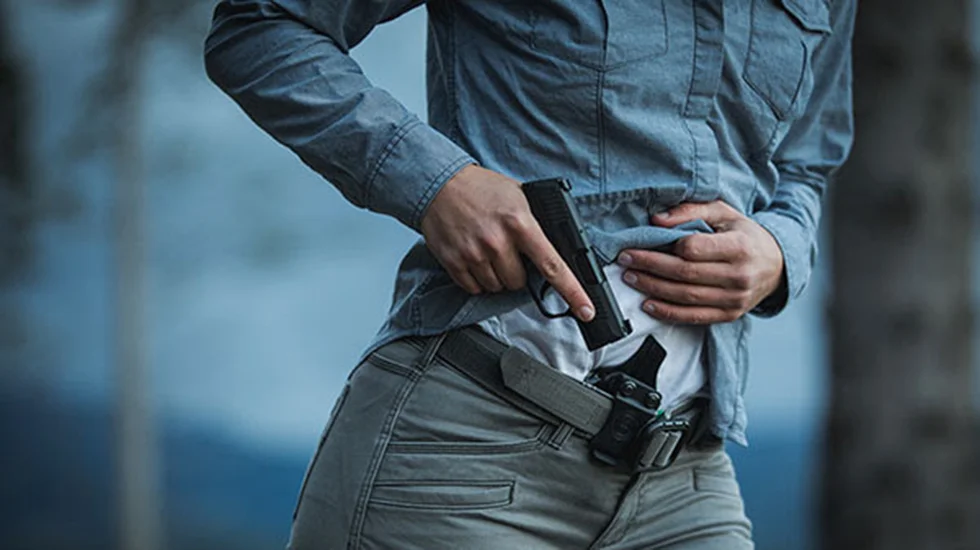
Avoiding Common Mistakes That Could Cost Concealed Carry Permit Holders Their Rights
Carrying a concealed weapon (CCW) is a serious responsibility that requires both knowledge and diligence. While the process of obtaining a permit can be lengthy, maintaining your rights as a concealed carrier often hinges on avoiding common pitfalls. Below, we’ll explore some of the most frequent mistakes made by permit holders and how to prevent them.
Failing to Understand Local and Federal Laws
Firearms laws vary significantly across jurisdictions. A lack of understanding could lead to costly legal issues, even if you are acting in good faith.
- State Variations: Each state has its own regulations regarding where you can carry, what types of firearms are permitted, and whether permits from other states are recognized (reciprocity agreements).
- Federal Restrictions: Certain areas such as federal buildings, schools, or post offices often prohibit carrying firearms, regardless of your CCW permit status.
It’s essential to thoroughly research the laws in your state and any state you plan to visit. Many mistakes occur when carriers cross state lines without realizing their permit isn’t valid in another jurisdiction.
Neglecting Proper Firearm Training
Having a concealed carry permit does not automatically make you proficient with your firearm.
– You may struggle with accuracy or handling under stress.
– You risk unsafe practices that could endanger yourself or others.
Seek ongoing training through local shooting ranges or certified instructors to ensure you remain confident in firearm use and safety protocols.
Improper Storage Practices
One common mistake among CCW holders is failing to secure their firearm properly when it’s not being carried.
- Unintended Access: Unauthorized individuals such as children or guests gaining access to the weapon.
- Theft: Leaving firearms unsecured in vehicles or at home increases the risk of theft.
Use secure storage methods such as gun safes, trigger locks, or concealed holsters designed for home use.
Failure To Disclose During Law Enforcement Interactions
Many states require CCW holders to immediately disclose their status during interactions with law enforcement officers. Failing to do so could result in legal complications or heightened tension during the encounter.
- Inform promptly: Clearly communicate that you are a concealed carrier while keeping hands visible.
- Comply with instructions: Follow all directions given by law enforcement without sudden movements.
Check your state’s specific requirements regarding disclosure obligations during traffic stops or other situations involving police officers.
Overlooking Routine Permit Renewal Requirements
Most concealed carry permits have an expiration date and require periodic renewal to remain valid. Overlooking deadlines can put carriers at risk for penalties if caught carrying on an expired license.
Tips for Staying Current on Your Permit:
| Task | Recommended Action | Frequency |
| Mark Renewal Date | Add it to your calendar | Upon receiving permit |
| Review Application Process | Verify required documents ahead of time | 3–6 months prior |
| Complete Required Training | Some states mandate refresher courses | As required by law |
Being proactive about renewals ensures uninterrupted compliance with local statutes.
Relying Solely on Self-Defense Misconceptions
Many new CCW holders assume that using their firearm will always be legally justified during self-defense encounters; however, this isn’t always true. Misjudging a situation can lead to criminal charges if the use of force is deemed unnecessary under the circumstances.
To mitigate this mistake: – Familiarize yourself with your state’s self-defense laws (e. g. , “Stand Your Ground” vs “Duty To Retreat”).
– Participate in scenario-based training programs that simulate real-world events. – Learn de-escalation techniques whenever possible before resorting to lethal force.
By understanding these nuances, carriers can make informed decisions under pressure while staying within legal boundaries.
Avoiding these common mistakes requires vigilance and commitment from every CCW holder but doing so protects not only their rights but also public safety more broadly.
Comparing CCW vs. Constitutional Carry
Understanding the distinctions between Concealed Carry Weapon (CCW) permits and Constitutional Carry is essential for responsible gun ownership. Both approaches aim to expand individuals’ access to self-defense, but they differ significantly in terms of requirements, regulations, and applicability across states. This section provides a detailed comparison of these two frameworks.
What is CCW?
A Concealed Carry Weapon (CCW) permit allows an individual to carry a concealed firearm in public.
- Background checks: Includes criminal history review and mental health evaluations.
- Training requirements: Many states mandate firearms safety courses or proficiency training.
- Application process: Submission through law enforcement agencies or other designated offices.
CCW permits are regulated at the state level, meaning each state has its own laws governing who can apply, how permits are issued, and where you can carry your firearm. Reciprocity agreements also allow permit holders from one state to legally carry in another state with compatible laws.
This approach is rooted in the interpretation of the Second Amendment as granting citizens the inherent right to bear arms without government-imposed prerequisites.
- No permits required: Citizens legally allowed to possess firearms can carry them concealed without additional licensing.
- State-dependent legality: Only certain states recognize Constitutional Carry; it does not apply nationwide.
- Minimal restrictions: Typically fewer requirements compared to CCW permitting systems.
Key Differences Between CCW and Constitutional Carry
| Feature | CCW Permit | Constitutional Carry |
| Permit Required | Yes | No |
| Training Required | Often mandatory | Usually not required |
| Background Checks | Conducted during application | Not typically required for carrying |
| Reciprocity Across States | Often allowed based on agreements | Dependent on state laws |
| Eligibility Restrictions | Strict guidelines based on state law | Fewer restrictions but depends on federal/state law |
Considerations for Gun Owners
- Reciprocity laws vary by state; traveling across borders may require a formal CCW permit.
- Verify local regulations before transporting firearms.
- In some states with Constitutional Carry, regulations regarding where you can carry remain strict (e. g. , schools, government buildings).
- A lack of familiarity with local laws could inadvertently lead to violations.
- Even if training isn’t required under Constitutional Carry, it’s strongly recommended for responsible firearm handling.
- Enrolling in voluntary training programs improves safety and competence.
Final Thoughts
Both CCW permits and Constitutional Carry provide individuals with avenues for exercising their Second Amendment rights, but they cater to different preferences and legal landscapes. Whether opting for formal permitting or relying on states’ allowance for unlicensed carry, responsible citizenship entails understanding applicable laws and prioritizing safety at all times.
Practical Tips for Responsible and Safe Concealed Carry Practices
Carrying a concealed firearm is a significant responsibility that requires careful attention to safety, situational awareness, and skill development. Improper or careless concealed carry practices can lead to accidents, legal issues, or even harm to oneself or others. Below are some practical tips to ensure responsible and safe concealed carry.
Select the Right Concealed Carry Holster
The holster you choose plays a crucial role in safe concealed carry.
- Retention:A good holster should securely hold the firearm while allowing for smooth drawing when needed.
- Comfort:A holster that fits comfortably will make daily carry easier and reduce the likelihood of adjustment in public areas.
- Concealment:Ensure the holster helps keep your firearm hidden under typical clothing while allowing easy access.
- Trigger Guard Protection:The trigger should be fully covered by the holster to prevent accidental discharges.
Practice Drawing and Re-holstering
Drawing your firearm from a holster should be smooth, quick, and deliberate without compromising safety.
- Always practice with an unloaded firearm or use training tools like inert guns.
- Rehearse drawing from your concealed position until it becomes second nature.
- Practice re-holstering slowly and deliberately to avoid accidentally catching any clothing or objects in the trigger guard.
- Train with real-world scenarios in mind, including accessing your firearm under stress.
Dress Appropriately for Concealed Carry
Your clothing choices will impact how effectively you can conceal your firearm while maintaining access to it.
- Use loose-fitting but not overly baggy shirts or jackets that don’t print (outline) your firearm.
- Choose pants with sturdy waistbands to support both the weight of your firearm and holster.
- Dedicated concealment clothing with built-in retention systems may offer additional options for certain lifestyles.
| Clothing Type | Benefits | Considerations |
| Loose shirts/jackets | Improved concealment | May limit mobility if too large |
| Concealment T-shirts | Built-in holsters for small firearms | Limited sizing for certain body types |
| Belts designed for CCW | Increased support for heavier setups | Often more expensive than regular belts |
Regular Firearm Maintenance
- Clean your firearm regularly according to manufacturer guidelines, especially after extended use or exposure to debris.
- Inspect components such as springs, magazines, and sights periodically.
- Use quality ammunition recommended by your manufacturer to minimize malfunctions.
Stay Informed on Local Laws
- Research laws specific to areas you frequent (e. g. , work commute routes).
- Be aware of restrictions related to schools, government buildings, private businesses, etc.
- Keep up-to-date with any changes in legislation affecting concealed carry rights through state websites or trusted legal resources.
Practicing Situational Awareness
- Pay close attention to people’s behavior and surroundings at all times.
- Avoid unnecessary confrontations; de-escalation is often safer than drawing your weapon.
- Keep exits and escape routes in mind whenever entering a new area.
Responsible concealed carry requires ongoing education, regular training sessions, and constant vigilance in ensuring safety measures are upheld at all times.

The Importance of Staying Informed on Changing Concealed Carry Laws and Regulations
For those who carry concealed firearms, staying current with laws and regulations is essential. Firearms laws are dynamic and can change frequently at both state and federal levels. Staying informed ensures compliance, protects your rights as a concealed carrier, and promotes public safety.
Why Staying Informed is Crucial
- Every state has its own set of concealed carry laws, ranging from permit requirements to restrictions on where firearms can be carried.
- Ignorance of changing laws is not an acceptable defense in court. Remaining unaware could lead to fines, arrest, or even the revocation of your permit.
- Understanding legislative updates allows gun owners to protect their Second Amendment rights effectively.
- Misinterpreting new regulations could result in situations where you unintentionally violate the law.
- Law-abiding gun owners play a key role in promoting firearm safety.
- Keeping up with regulations ensures you’re following best practices when interacting with others while carrying.
Common Areas Where Laws Frequently Change
| Area of Regulation | Possible Updates | Example Scenario |
| Permit Reciprocity | Changes to agreements between states | A state may stop recognizing out-of-state permits. |
| Gun-Free Zones | Expansion or reduction of areas prohibiting firearms | New legislation may add schools or businesses to this category. |
| Self-Defense Laws | Adjustments to “Stand Your Ground” or “Duty to Retreat” laws | A state might redefine what constitutes lawful self-defense. |
| Magazine Capacity Limits | Restrictions on magazine sizes | New limits could affect previously legal equipment you own. |
How to Stay Updated on Concealed Carry Laws
- Follow Official State Websites
Each state’s government website typically maintains an up-to-date section dedicated to firearm laws and regulations. - Subscribe to Legal Newsletters
Organizations like the NRA Institute for Legislative Action (NRA-ILA) often provide regular updates regarding changes in firearm legislation across the U. S. - Attend Firearm Training Classes
Many certified instructors include discussions about relevant legal changes as part of their curriculum. - Consult a Lawyer Specializing in Firearms Law
If you’re unsure about how certain legal changes impact you directly, seeking advice from an attorney can clarify complex issues.
Tips for Responsible Adaptation
- Develop a habit of reviewing legal updates semi-annually or annually.
- Update your training practices when new laws affect the way firearms should be carried or used.
- Join local concealed carry groups or forums where members share knowledge on legislative developments.
- Keep records of permits, certifications, and any communications clarifying your understanding of revised laws.
Remaining informed is not just a matter of compliance; it’s also about demonstrating responsibility as a concealed carrier. By proactively tracking legal developments and adjusting your practices accordingly, you contribute positively to both the firearms community and society at large.
The Importance of Staying Informed on Changing Concealed Carry Laws and Regulations
When it comes to concealed carry, staying informed about ever-evolving laws and regulations is not just a best practice—it’s an essential responsibility. Gun laws vary significantly across states and even local jurisdictions, and failure to stay current with these changes could lead to severe legal consequences. Below, we’ll explore why staying informed is critical, provide tips for keeping up-to-date, and highlight common areas of change in concealed carry legislation.
Why Staying Informed is Crucial
- Many states update their firearm laws frequently. Without proper awareness, permit holders risk unknowingly violating rules such as those governing firearm-free zones or reciprocity agreements between states.
- Noncompliance with concealed carry regulations can result in penalties such as fines, suspension of permits, or even permanent revocation of your right to carry a firearm.
- Understanding the law allows carriers to act responsibly in complex situations where legality may hinge on nuanced local statutes or recent legislative changes.
Common Areas of Change in Concealed Carry Laws
| Area of Regulation | Examples of Recent Changes |
| Reciprocity Between States | New agreements or withdrawals by states from reciprocity pacts. |
| Gun-Free Zones | Changes in definitions or expansions/restricting these areas. |
| Permit Issuance Requirements | Alterations in training requirements or background checks. |
| Magazine Capacity Restrictions | Adjustments to allowable magazine size limits for carriers. |
| Use-of-Force Statutes | Revisions to “Stand Your Ground” vs “Duty to Retreat” doctrines. |
Staying informed about these potential changes ensures compliance and helps avoid surprises when traveling between jurisdictions.
How to Stay Up-to-Date
- Most state governments maintain resources dedicated to firearm laws on their official websites.
- Organizations like the NRA-ILA (Institute for Legislative Action) provide updates on major legislative changes at both the state and federal levels.
- Opt into email alerts from local gun rights groups or advocacy organizations that track legislative activity.
- Many certified firearms instructors offer courses that include updates on relevant legal developments affecting concealed carry.
- Apps like “CCW” or “Legal Heat” provide real-time updates on applicable regulations across all U. S states.
Additional Considerations
- Always verify information from reputable sources before taking action based on legal updates.
- When traveling interstate with a concealed weapon, consult both the origin and destination state’s current laws regarding reciprocity and transport regulations.
- Take note that federal restrictions (e. g. , carrying firearms near schools) apply regardless of your state’s specific statutes.
Staying informed about concealed carry laws is key not only for protecting yourself legally but also for ensuring responsible firearm ownership practices at all times.
- Essential Information About Obtaining a Virginia Concealed Carry Permit
- Navigating Concealed Carry Virginia Laws and Workplace Regulations
- Comprehensive Guide to Concealed Carry Virginia: Workplace Safety Measures, Laws, and Best Practices
- Exploring the Surge in Concealed Carry Virginia Permits and National Trends
- How to Obtain a Virginia Concealed Carry Permit: Everything You Need to Know
- Essential Tips to Prepare for Your Virginia Concealed Carry Permit Class
- Step-by-Step Guide to Concealed Carry Classes in Washington DC for Obtaining Your Permit